They then spoke to Marco de Jong, Pacific historian and lecturer at AUT law school and co-director of Te Kuaka, about what this means for New Zealand’s foreign policy stances and relationship to the United States.
Read MoreThey then spoke to Marco de Jong, Pacific historian and lecturer at AUT law school and co-director of Te Kuaka, about what this means for New Zealand’s foreign policy stances and relationship to the United States.
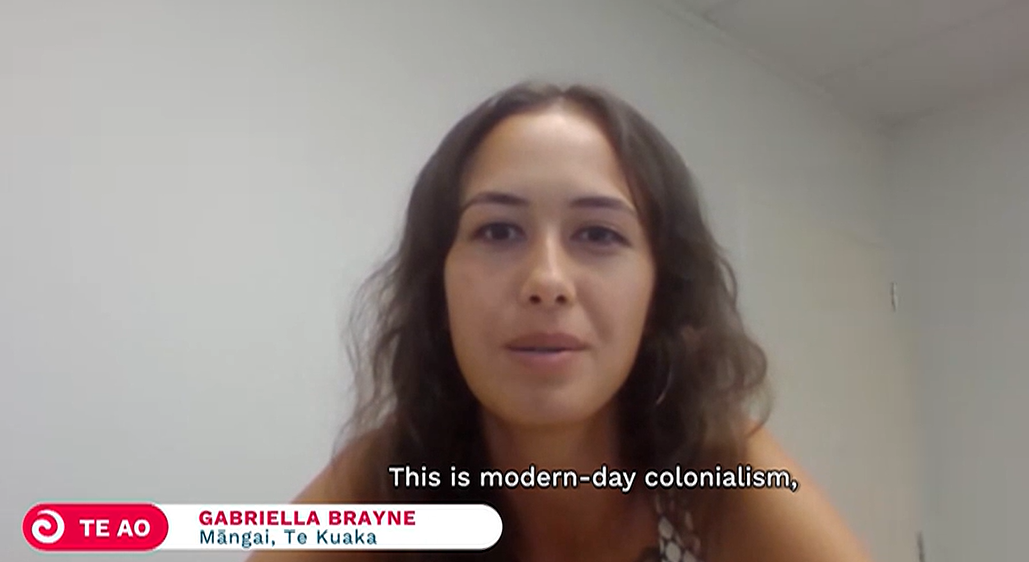
Read MoreNgāti Maniapoto descendant Gabriella Brayne, a member of Te Kuaka an independent organisation of legal academics, activists, lawyers and foreign policy experts described the operation as “modern-day colonialism, unmasked to its most audacious extent.”
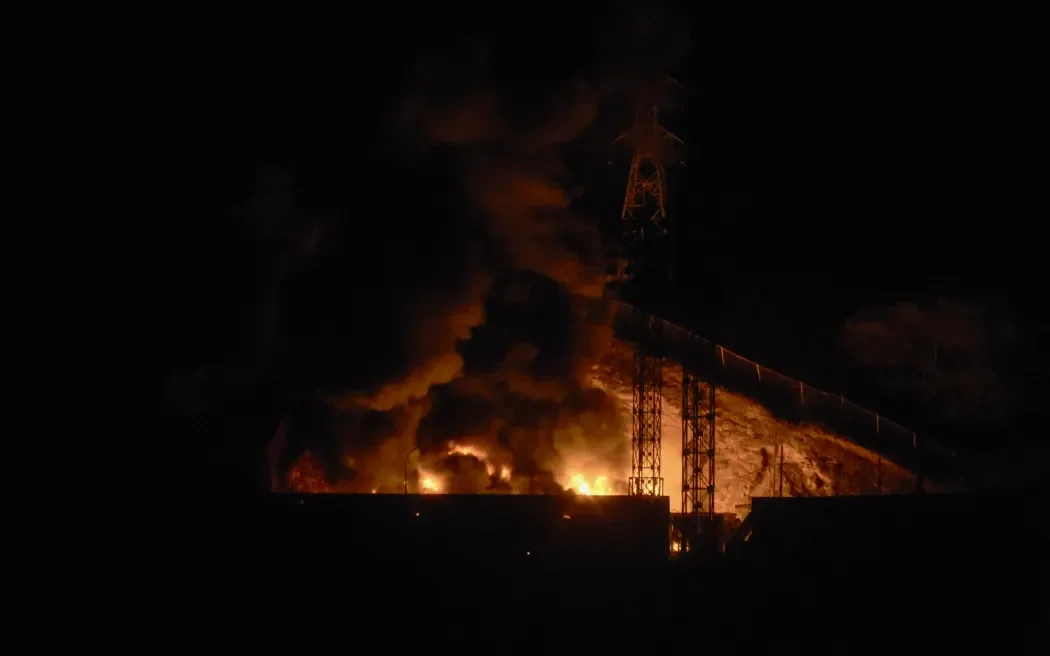
Read MoreThe Trump-led unilateral aggression by the US against Venezuela overnight (NZ time), including bombing of infrastructure and capture of Venezuelan President Maduro, must be unflinchingly condemned by the NZ government, says NZ foreign policy group Te Kuaka.
Read MoreAs New Zealand quietly explores involvement in Pillar II of the Aukus security pact, documents obtained under the Official Information Act reveal it is already collaborating within the Five Eyes to develop highly networked, advanced military technologies.
Read More“This kind of pull-back-the-curtain approach isn’t appropriate for such a momentous decision about where New Zealand stands on the genocide occurring in Gaza,” said Gabriella Brayne, a spokesperson for the group.
Read MorePacific historian Marco de Jong says this declaration comes at a time when wars in Ukraine, genocide in Gaza, and escalating rivalry between the United States and China are driving an unprecedented military build-up across the Pacific.
Read MoreA year into its foreign policy “reset”, documents obtained under the Official Information Act reveal that the coalition Government is further unwinding New Zealand’s independent foreign policy through military entanglements that bind New Zealand ever closer to the United States.
Read MoreNew Zealand has welcomed the ceasefire between Israel and Hamas, but academic Fuimaono Dylan Asafo says Aotearoa must do more.
Read MoreAn earlier study, by independent advocacy group Te Kuaka New Zealand Alternative, presented a similar argument in a 2018 analysis of our foreign policy settings. And yet, however persuasive or earnest this pitch might be, neither report moved the policy dials of the government of the day. The current National-led coalition similarly remains unmoved.
Read MoreForty years have passed since the first Te Hui Oranga o Te Moana nui a Kiwa which brought Māori into committed solidarity with Pacific peoples and brought the movement for a nuclear-free and independent Pacific home to Aotearoa.
Read MoreA Kanak leader from the Protestant Church of Kanaky New Caledonia, attending a Pacific solidarity forum in Aotearoa, says connecting with Pacific activists has given him the chance to feel hope again after months of riots in the French territory.
Kanaky Aotearoa Solidarity condemn the use of police brutality to suppress Indigenous dissent in Kanaky. Footage has surfaced exposing French security officers pushing a handcuffed Kanak man to the ground before kicking him in the head, rendering him unconscious. This was gratuitous violence against an already incapacitated individual who posed no threat to the officer.
Read MoreAs the coalition government considers joining AUKUS, the military alliance between Australia, the United Kingdom and the United States, questions are swirling as to just what implications that may have for Aotearoa New Zealand.
Read MoreDetails released by the Department of the Prime Minister and Cabinet under the Official Information Act reveal New Zealand officials have been considering involvement in AUKUS from the outset.
Read MorePacific law academic, Fuimaono Dylan Asafo said restrengthening connections between Pacific tauiwi (settlers) and Māori is an important step towards transforming Aotearoa's constitution, to honour te Tiriti o Waitangi.
When former prime minister Helen Clark spoke out against New Zealand potentially compromising its independent foreign policy by joining pillar two of the AUKUS security pact, foreign minister Winston Peters responded bluntly:
Read MoreThe Government has made no secret of its enthusiasm in exploring involvement in Pillar II of Aukus, the trilateral security pact between Australia, the United Kingdom and the United States.
Read MoreThe startling thing about New Zealand’s spy bureau hosting a “foreign capability” isn’t that this activity happens.
We already know that the Government Communications Security Bureau (GCSB) shares intelligence and technology with its “partners”: the US, Australia and the UK. What’s shocking is the lack of democratic oversight of these arrangements.
Read MoreThe new government’s foreign policy priorities could jeopardize New Zealand’s relationships with Pacific Island countries.
Read More